


Okanagan Water Facts
There is less water available per person in the Okanagan than anywhere else in Canada.
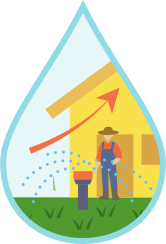
The Okanagan has one of the highest rates of water use per person in Canada.
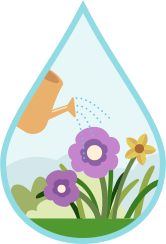
The second largest use of water in the Okanagan is used on our household lawns & gardens.
The Okanagan is on the front lines of climate change, shifting between flooding and drought, and extreme fire seasons.
As we work to find solutions to these climate events, Make Water Work is aimed at preparing Okanagan residents with resilient landscapes that can handle wet and dry years, and help ensure a sustainable water supply for our valley.
Ready to test your Okanagan water IQ and find tips to
Make Water Work Smarter in your yard?
Current Okanagan Drought Level
Level 2 – 2025 season wrap
As the first snowflakes touch the Okanagan Valley, we reflect on a concerning trend: dry conditions that have persisted every year since 2022.
The 2025 drought was caused by a perfect storm of factors: pre-existing dryness, a small snowpack that melted early and persistent below-average rainfall. While this summer wasn’t as severe as 2023, many streams across the valley still experienced low water flows and high temperatures.
The impact of the dryness hit hardest where water supply and demand were out of sync. Although sporadic rainfalls helped top up many reservoirs, they were simply not enough to recharge the landscape itself.
After several years of persistent drought, it will take a long stretch of consistent rain and snow to finally recharge the watershed—the natural sponge that holds our water.
Provincial Drought levels are only updated during the core drought season which typically begins post-freshet and ends with the onset of winter conditions.
You can check out a wrap of the 2025 drought season here.
Remember: Your local water supplier knows best what’s needed to keep water flowing for homes, food, fish, and firefighting right where you are.
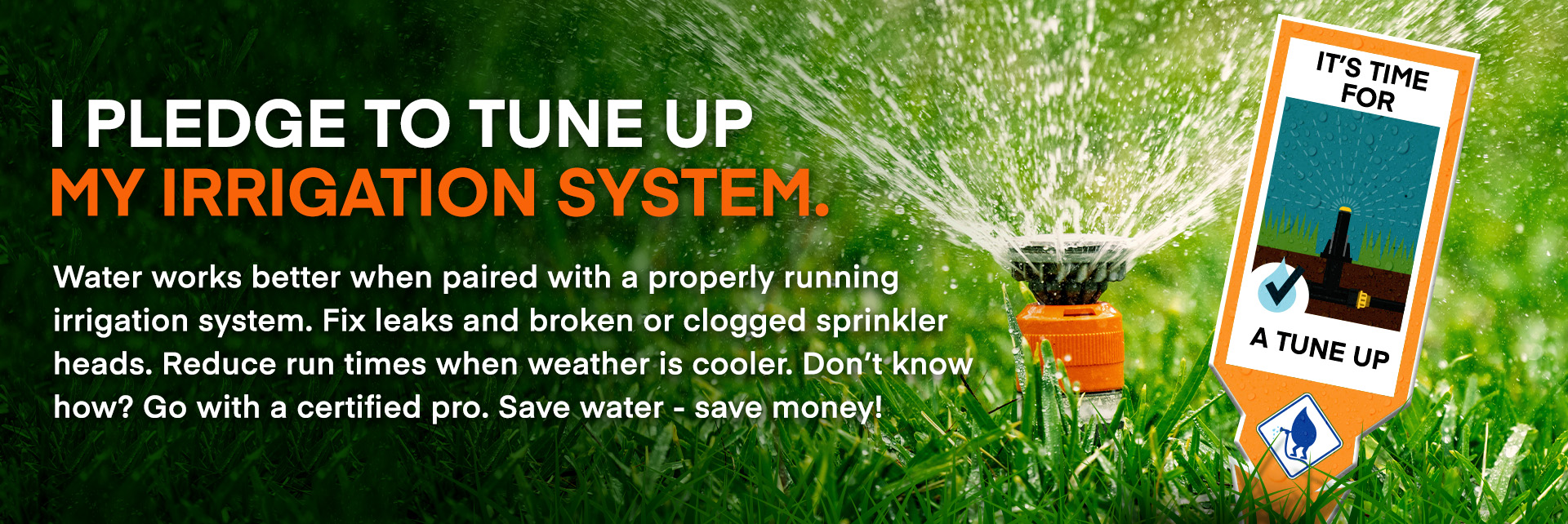
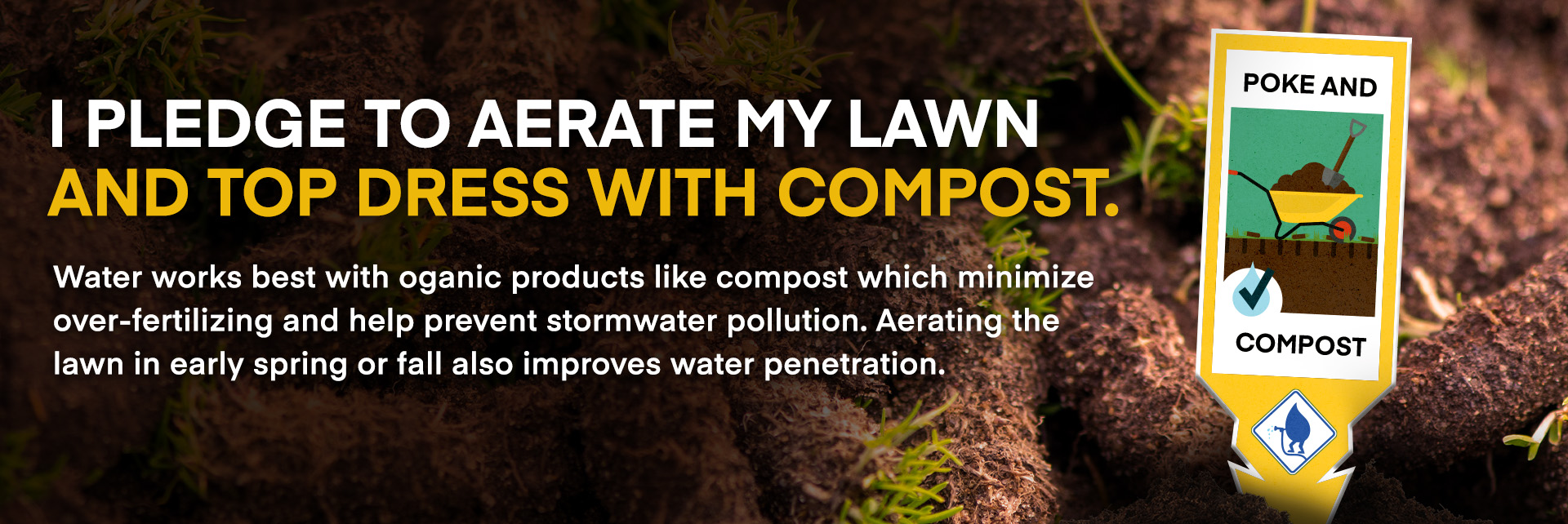
If you water your yard… make water work smarter!
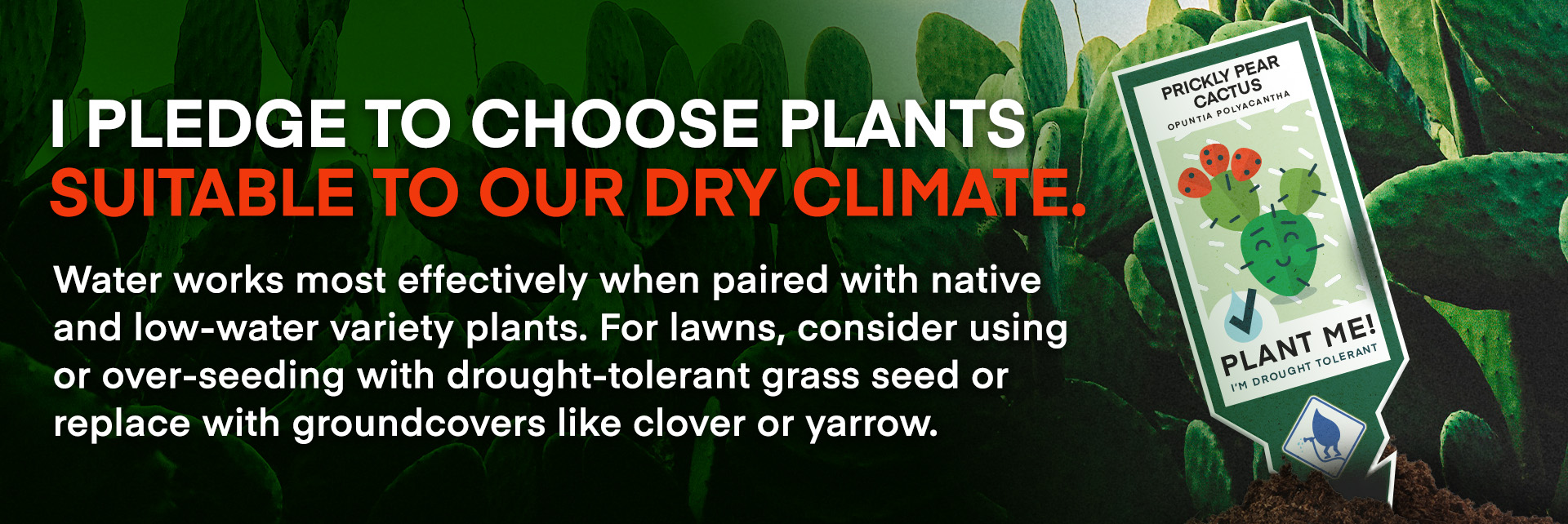
XERISCAPE, NOT ZERO-SCAPE
There are many beautiful plants that thrive in our dry Okanagan climate! For a full list, check here!